
Operating Systems
How to Standardize Client Comment Campaigns
12 min read
How to Standardize Client Comment Campaigns is a practical long-form guide for agencies and campaign teams creating repeatable client operations who need to organize standardizing client comment campaign setup, approval, follow-up, and reporting without selling hype or promising outcomes an agency cannot control. The direct answer is this: package the campaign as an operations workflow, collect the client inputs, define the keyword and offer, prepare the lead magnet destination, document approval steps, track comment-triggered requests, manage manual follow-up, export the list, and report what happened in a way that is adapted to the actual client, offer, content strategy, and platform rules. GramTrigger helps organize comment keyword campaigns, track requests from comments, manage manual follow-up, prepare lead magnet delivery, export request lists, and create repeatable client reporting workflows. It does not claim automatic Instagram DMs, unauthorized Instagram automation, Meta or Instagram partnership, guaranteed followers, sales, revenue, reach, engagement, conversions, or guaranteed agency outcomes.
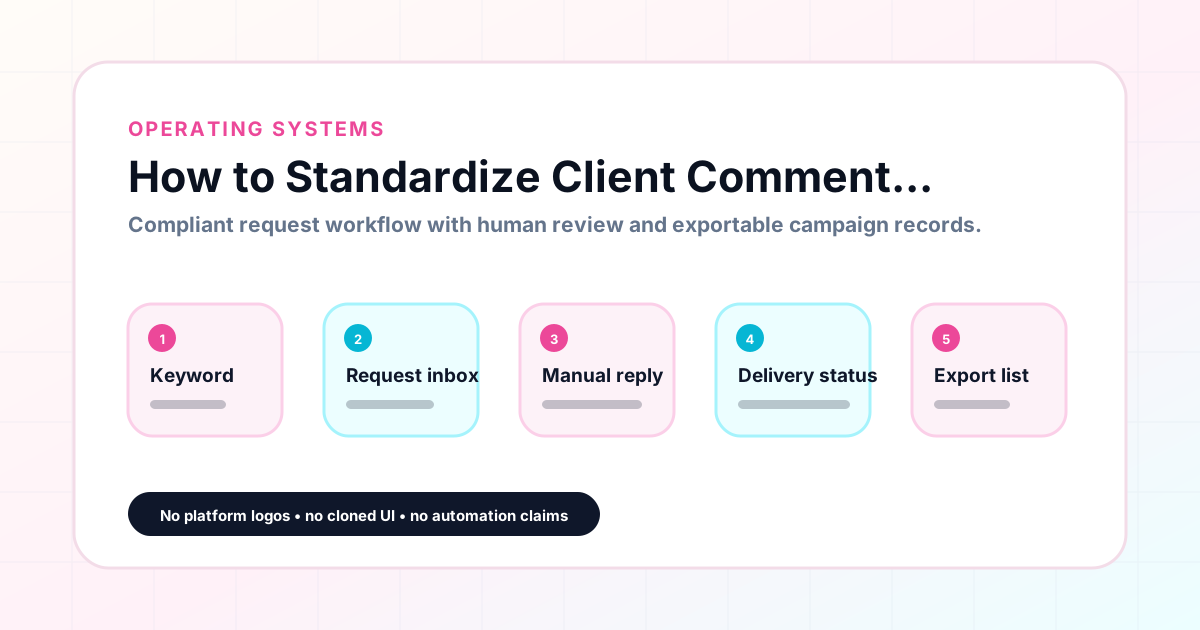
GramTrigger methodology
Original operating system for How to Standardize Client Comment Campaigns
The GramTrigger method treats every comment campaign as an approval workflow, not an automation shortcut. The goal is to prepare the offer, lead magnet, keyword strategy, Reply Library draft, Request Inbox stages, handoff owner, and Lead Export fields before comments turn into operational work.
Campaign Blueprint SOP
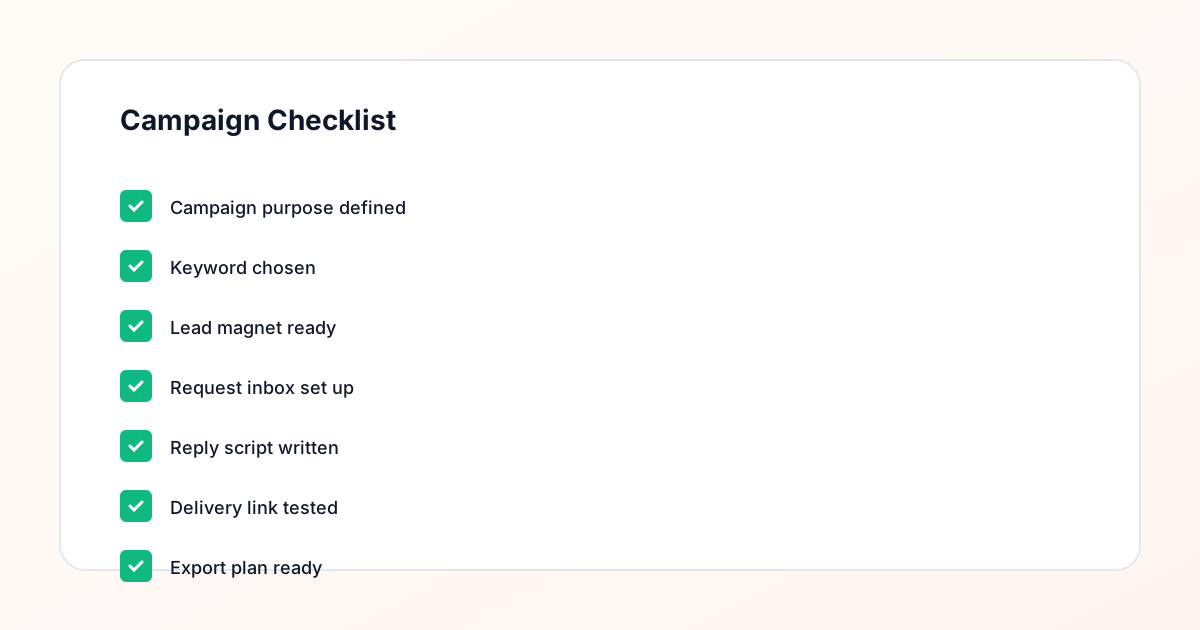
Confirm the offer, lead magnet, keyword strategy, comment CTA, reply draft, owner, approval status, and Lead Export fields before launch.
Comment Funnel Workflow
Use the same path everywhere: Offer → Lead Magnet → AI Funnel Builder → Keyword Strategy → Comment CTA → Reply Draft → Review & Approval → Campaign Launch → Request Inbox → Lead Tracking → Export.
Approval Queue Workflow
Review caption CTA, pinned comment, reply draft, lead magnet link, compliance notes, and client approval before a campaign goes live.
Export Readiness Checklist
Export only after records have clear status, no sensitive private data, an owner, follow-up stage, and a documented next action.
Campaign Recovery Workflow
If requests are missed, pause new promotion, review pending records, update Reply Library drafts, communicate manually where appropriate, and document the process fix.
Decision framework
Use this matrix before choosing the next step.
Manual review reminder
Draft response — review before sending. Use approved tools and follow platform rules. GramTrigger helps plan and manage lead magnet workflows; it does not scrape users or auto-send unauthorized DMs.
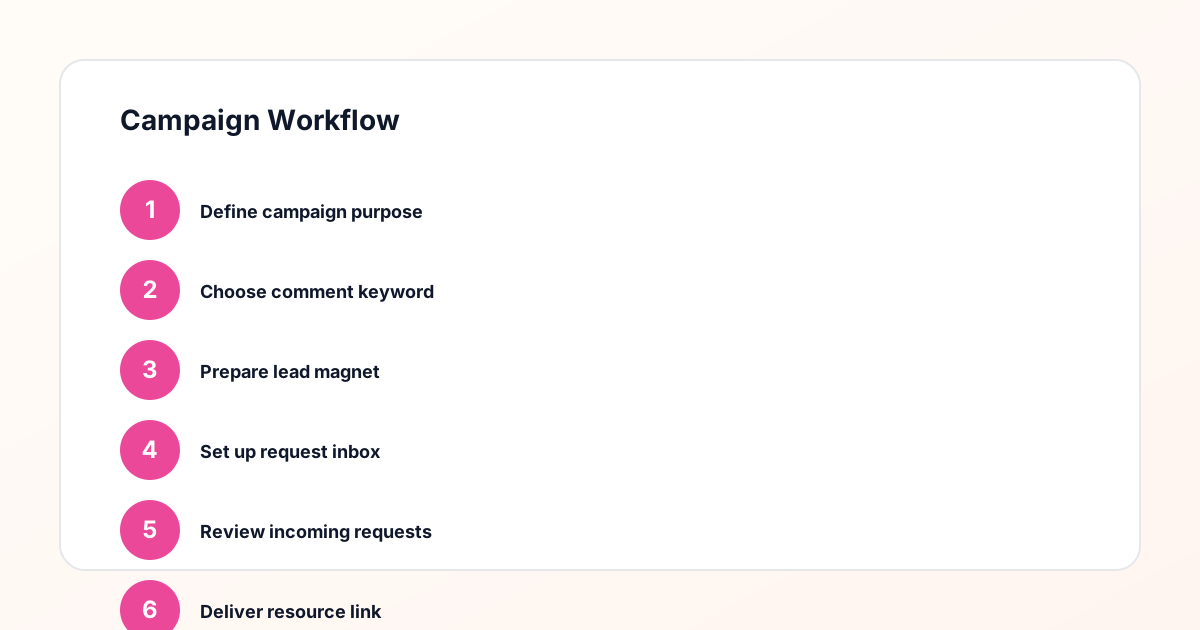
Workflow Overview
Campaign Checklist
What this workflow, package, or report means
standardizing client comment campaign setup, approval, follow-up, and reporting means treating comment campaigns as a defined service workflow rather than a loose add-on to content posting. The agency or campaign team needs a repeatable way to collect inputs, plan the campaign, get approvals, track requests, manage manual follow-up, export data, and explain what the campaign record shows. That structure matters because client work usually involves more handoffs than a solo creator campaign. A strategist may plan the offer, an account manager may collect approvals, a VA may organize requests, and a reporting lead may prepare the monthly summary.
This workflow fits naturally into social media services, launch support, creator operations, newsletter growth, course promotion, coaching funnels, and small business campaign support. It is not a promise that comment campaigns will create guaranteed leads, sales, revenue, followers, reach, engagement, or conversions. It is a way to make the operational layer measurable and repeatable. A good package or report explains the work clearly: what was planned, what was launched, what requests were tracked, what follow-up happened, what was exported, and what should change next based on the client’s actual offer and audience.
Who should use this
How to Standardize Client Comment Campaigns is useful for agencies that want to add structured comment keyword campaigns to social media services without creating a complicated automation promise. It also helps VAs and campaign assistants who need to manage request cleanup, manual follow-up notes, exports, and client records. Creators can use the same structure to work with a team instead of managing every request alone. Coaches can use it for free worksheet, training, call, and waitlist campaigns. Course creators can use it for webinar checklists, bonus request workflows, and launch waitlists. Newsletter operators can use it for sample issue campaigns, resource list requests, and topic interest collection.
Small businesses can use this structure when they promote coupons, local service guides, event registrations, booking links, or product-drop interest. Campaign teams can use it internally when multiple people are responsible for planning, approval, execution, and reporting. The workflow is especially useful when a service needs to be repeated month after month, because repeated delivery requires documentation, ownership, and a report format that does not depend on memory.
Detailed step-by-step workflow
Step 1: define the service scope. Decide whether the work includes strategy, keyword planning, lead magnet preparation, request tracking, manual follow-up coordination, exports, reporting, audits, or retainer maintenance. Clear scope prevents the client from assuming the agency controls outcomes it cannot guarantee.
Step 2: collect client inputs. Use [Client Name], [Campaign Name], [Lead Magnet], [Keyword], [Post URL], [Delivery Link], [Follow-Up Owner], and [Status] fields so every campaign begins with the same baseline information. Ask for brand voice notes, approval rules, campaign dates, audience notes, and compliance constraints.
Step 3: plan the campaign record. Before content goes live, document the offer, keyword, destination, manual reply note, and campaign status. This makes the campaign deliverable easier to review and easier to hand off to an assistant or account manager.
Step 4: get client approval. The client should approve the keyword, offer promise, delivery link, caption language, and manual follow-up note. Approval protects both the client and the agency from launching unclear or unsupported campaigns.
Step 5: manage the request workflow. During the campaign, track new requests, reply-needed requests, delivered requests, duplicates, skipped requests, and items needing review. Request status is more useful than raw request volume because it shows what work remains.
Step 6: prepare delivery and follow-up. Keep the lead magnet destination and manual follow-up note connected to the campaign. Do not claim automatic DMs. Use language that matches the client’s actual process and platform rules.
Step 7: export and clean records. At the end of the reporting period, export the list, clean duplicates, add notes, and confirm that statuses are readable. A clean export supports better reporting and easier client handoff.
Step 8: report and recommend. Summarize what was launched, what was requested, what was completed, what issues appeared, and what the agency recommends next. Recommendations should be adapted to the client, offer, content strategy, audience, follow-up capacity, and platform rules.
Checklist, template, audit, or reporting section
Use this agency-ready template: [Client Name], [Campaign Name], [Campaign Goal], [Keyword], [Lead Magnet], [Post URL], [Delivery Link], [Follow-Up Owner], [Approval Owner], [Launch Date], [Reporting Period], [Export Date], [Status], [Notes], [Issues], and [Next Recommendation]. For a service package, group deliverables into tiers: setup-only, campaign management, and retainer operations. Setup-only might include campaign planning, keyword selection, link testing, and reply note preparation. Campaign management can add request tracking, status cleanup, export preparation, and a summary. A retainer can add recurring campaign calendars, monthly reports, audits, and client review calls.
For audit posts, score each area as ready, needs work, or blocked: keyword clarity, offer fit, delivery link, manual follow-up owner, request status, export quality, and compliance review. For reporting posts, structure the report around facts, operational signals, issues, and next steps. Metrics can show request volume, pending work, delivered requests, export cleanliness, and workflow friction. They cannot prove revenue, sales, reach, engagement, conversions, or platform performance.
Common mistakes to avoid
The first mistake is selling the package as a guaranteed outcome. Agencies can organize a campaign, improve the workflow, and report operational signals, but they cannot guarantee followers, sales, revenue, reach, engagement, conversions, or client results. The second mistake is skipping approvals. Client approval should happen before launch for the keyword, offer, link, caption language, and manual follow-up note.
The third mistake is building a package that is too vague. If the client does not know whether exports, reporting, follow-up management, or audits are included, the project will create scope friction. The fourth mistake is treating every client the same. A coach, course creator, newsletter, local business, and ecommerce brand may all use comment campaigns, but their offers, audiences, and reporting needs differ. The fifth mistake is reporting vanity metrics without context. Request counts should be paired with status, follow-up quality, export notes, and operational recommendations. The sixth mistake is using language that implies automatic DMs, unauthorized automation, or platform partnership.
Practical examples
A coach might hire an agency to run a monthly free worksheet campaign. The agency uses the workflow to collect the worksheet link, choose WORKSHEET as the keyword, prepare a manual reply note, track requests, and export the list for review. A course creator might use a webinar checklist campaign during launch week, with an assistant cleaning request statuses every day. A newsletter might ask followers to comment ISSUE to request a sample edition, then use the report to decide which topics deserve future content.
A local business might use a promo guide or booking campaign where requests need manual review before follow-up. A VA might manage the request inbox after each campaign, mark duplicates, and prepare exports. An agency retainer might include two campaign setups per month, weekly request cleanup, monthly reporting, and a quarterly audit. Each example uses the same operational foundation but adapts the recommendation to the client’s offer and follow-up capacity.
How GramTrigger helps
GramTrigger helps agency teams turn standardizing client comment campaign setup, approval, follow-up, and reporting into a repeatable workflow. Each campaign can store the keyword, lead magnet destination, manual follow-up note, request list, status, and export. That gives account managers, VAs, creators, and clients a shared reference point instead of a scattered collection of comments, screenshots, spreadsheets, and chat messages.
For service packaging, GramTrigger makes it easier to define deliverables around campaign setup, request tracking, export cleanup, and reporting. For onboarding, it helps standardize the information needed before launch. For audits, it gives teams a record to review. For reporting, exports and statuses make it easier to explain what happened and what still needs attention. For retainers, the same structure can be reused across campaigns and clients. GramTrigger does not automatically send Instagram DMs and does not guarantee client outcomes. It supports the operational layer: organization, tracking, follow-up preparation, exports, and repeatable client reporting.
CTA: build a client-ready campaign workflow
Use this guide to turn comment campaign work into a clearer agency service, audit, report, retainer, or operating system. Start by documenting one client campaign with [Client Name], [Campaign Name], [Keyword], [Lead Magnet], [Delivery Link], [Follow-Up Owner], [Export Date], and [Status]. Then use the same structure for approvals, request tracking, manual follow-up, exports, and client summaries. GramTrigger helps agencies and campaign teams manage client campaigns with less spreadsheet chaos and more repeatable reporting.
Safe compliance disclaimer
GramTrigger is a campaign workflow and request-management tool. Fulfillment should be handled manually or through approved workflows available to the account. Audit and reporting recommendations should be adapted to the client, offer, content strategy, audience, privacy requirements, and platform rules. Results depend on content, audience, offer, follow-up, platform rules, and execution.
Compliance Note
GramTrigger helps organize Campaign Blueprints, Reply Library drafts, Request Inbox stages, approvals, delivery status, Lead Exports, and reports. Delivery should be handled manually or through approved tools depending on your account and available platform support.