GramTrigger guide
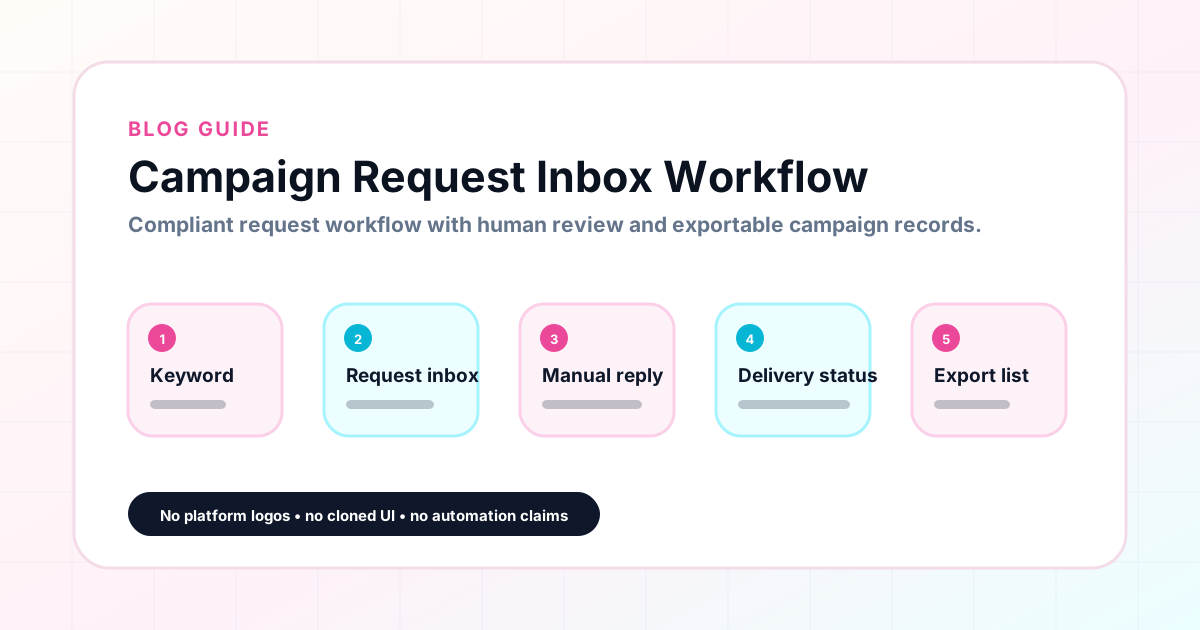
Campaign Request Inbox Workflow
A campaign request inbox workflow gives creators a structured way to manage every incoming request from an Instagram comment keyword campaign. The workflow organizes requests by campaign, tracks fulfillment status, and ensures no request is missed. GramTrigger provides this workflow through structured campaign records. GramTrigger is a workflow and request-management tool, not an official Instagram or Meta product.
GramTrigger methodology
Original operating system for Campaign Request Inbox Workflow
The GramTrigger method treats every comment campaign as an approval workflow, not an automation shortcut. The goal is to prepare the offer, lead magnet, keyword strategy, Reply Library draft, Request Inbox stages, handoff owner, and Lead Export fields before comments turn into operational work.
Campaign Blueprint SOP
Confirm the offer, lead magnet, keyword strategy, comment CTA, reply draft, owner, approval status, and Lead Export fields before launch.
Comment Funnel Workflow
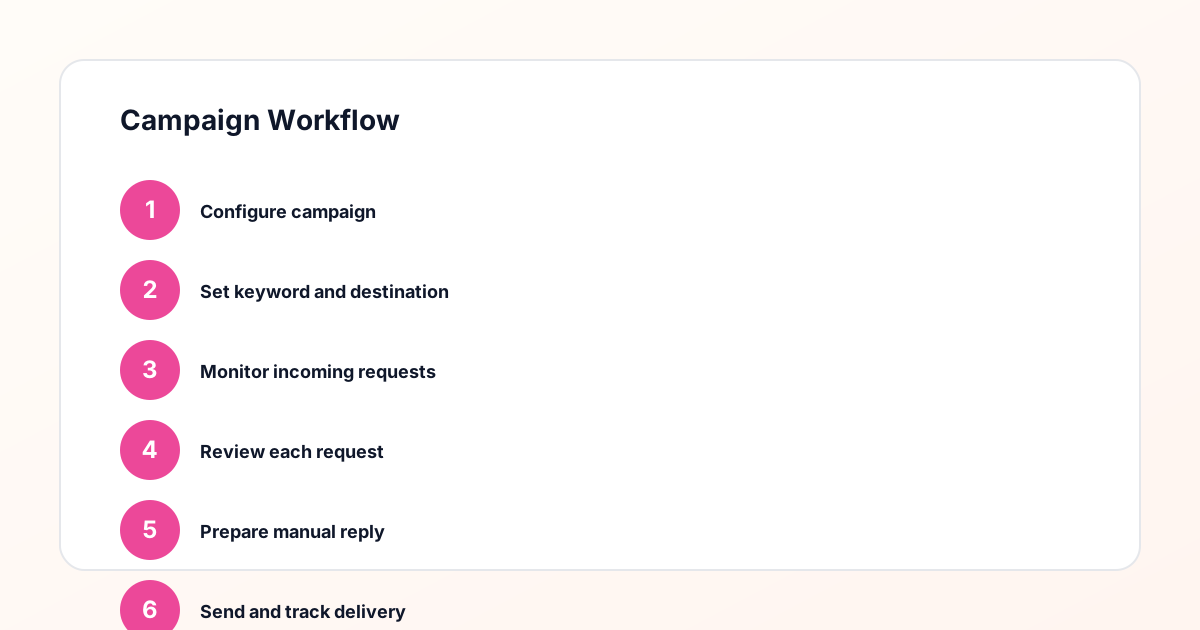
Use the same path everywhere: Offer → Lead Magnet → AI Funnel Builder → Keyword Strategy → Comment CTA → Reply Draft → Review & Approval → Campaign Launch → Request Inbox → Lead Tracking → Export.
Approval Queue Workflow
Review caption CTA, pinned comment, reply draft, lead magnet link, compliance notes, and client approval before a campaign goes live.
Export Readiness Checklist
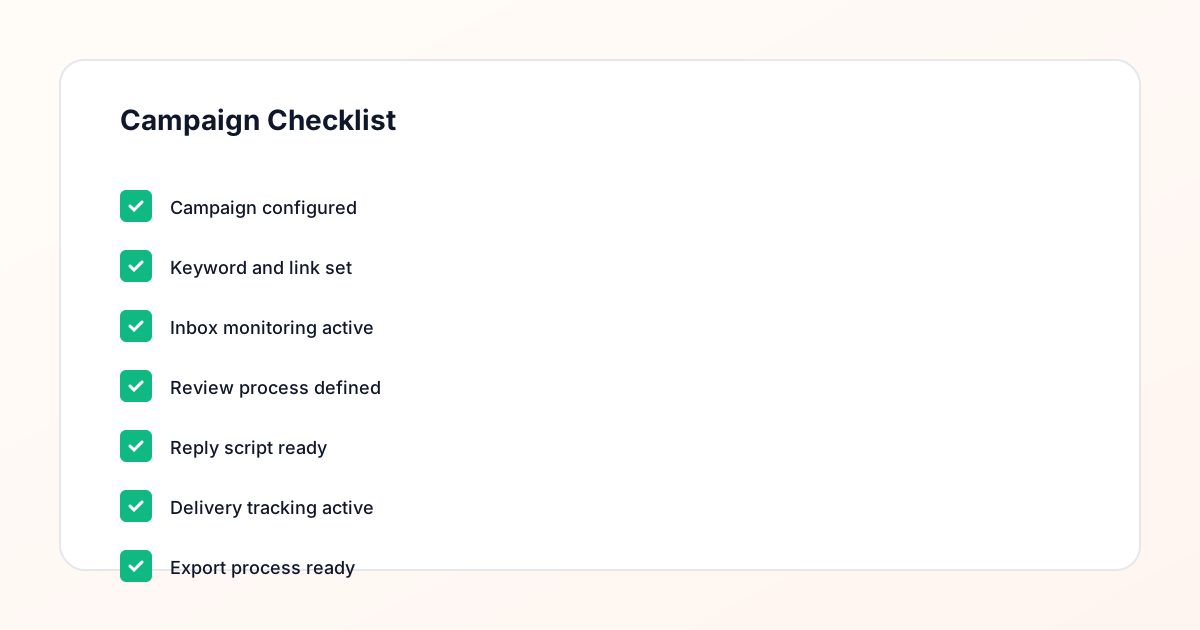
Export only after records have clear status, no sensitive private data, an owner, follow-up stage, and a documented next action.
Campaign Recovery Workflow
If requests are missed, pause new promotion, review pending records, update Reply Library drafts, communicate manually where appropriate, and document the process fix.
Decision framework
Use this matrix before choosing the next step.
Manual review reminder
Draft response — review before sending. Use approved tools and follow platform rules. GramTrigger helps plan and manage lead magnet workflows; it does not scrape users or auto-send unauthorized DMs.
Workflow Overview
Campaign Checklist
What the inbox workflow covers
The inbox workflow covers four stages: request capture, fulfillment, status tracking, and export. Each stage has a specific process that ensures requests are handled consistently from arrival to completion. GramTrigger organizes these four stages within the campaign record so the workflow is structured and trackable.
Stage one: request capture
When a follower comments the trigger keyword, the request enters the campaign record. The campaign record holds the keyword, destination link, and response draft so the team knows exactly what to do with each request. Creating the campaign record before the post goes live ensures the capture infrastructure is ready from the first request.
Stage two: fulfillment
For each request, the team uses the saved response draft and confirmed destination link from the campaign record. The response is sent manually or through approved integrations. Using the same script for every response ensures consistency across the team.
Stage three: status tracking
As each request is fulfilled, update the lead count in the campaign record. The lead count shows how many requests have been handled and how many are still pending. The team can see at a glance where fulfillment stands without scanning comment threads.
Stage four: export
When the campaign closes, export the campaign record. The export captures the keyword, destination, script, status, and lead count. This export is the permanent record of the campaign for archiving and reporting.
How GramTrigger helps
GramTrigger provides the campaign request inbox workflow through structured campaign records. The workflow covers capture, fulfillment, tracking, and export. Results depend on content quality, audience, offer, follow-up execution, and platform rules.
Compliance Note
GramTrigger helps organize Campaign Blueprints, Reply Library drafts, Request Inbox stages, approvals, delivery status, Lead Exports, and reports. Delivery should be handled manually or through approved tools depending on your account and available platform support.