GramTrigger guide
How to Use AI for Comment Campaign Planning
AI agents can support comment campaign planning by researching keywords, drafting scripts, and analyzing historical performance data. AI does not make campaign decisions or send messages. GramTrigger provides the campaign records that AI tools work with to produce planning materials. GramTrigger is a workflow and request-management tool, not an official Instagram or Meta product.
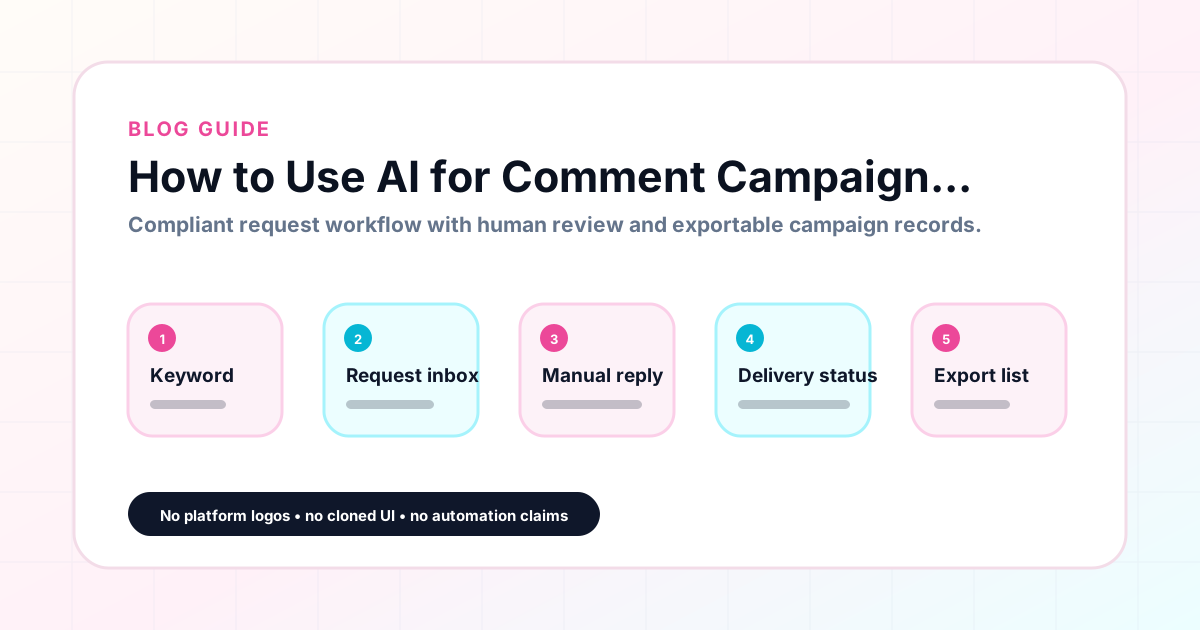
GramTrigger methodology
Original operating system for How to Use AI for Comment Campaign Planning
The GramTrigger method treats every comment campaign as an approval workflow, not an automation shortcut. The goal is to prepare the offer, lead magnet, keyword strategy, Reply Library draft, Request Inbox stages, handoff owner, and Lead Export fields before comments turn into operational work.
Campaign Blueprint SOP
Confirm the offer, lead magnet, keyword strategy, comment CTA, reply draft, owner, approval status, and Lead Export fields before launch.
Comment Funnel Workflow
Use the same path everywhere: Offer → Lead Magnet → AI Funnel Builder → Keyword Strategy → Comment CTA → Reply Draft → Review & Approval → Campaign Launch → Request Inbox → Lead Tracking → Export.
Approval Queue Workflow
Review caption CTA, pinned comment, reply draft, lead magnet link, compliance notes, and client approval before a campaign goes live.
Export Readiness Checklist
Export only after records have clear status, no sensitive private data, an owner, follow-up stage, and a documented next action.
Campaign Recovery Workflow
If requests are missed, pause new promotion, review pending records, update Reply Library drafts, communicate manually where appropriate, and document the process fix.
Decision framework
Use this matrix before choosing the next step.
Manual review reminder
Draft response — review before sending. Use approved tools and follow platform rules. GramTrigger helps plan and manage lead magnet workflows; it does not scrape users or auto-send unauthorized DMs.
Workflow Overview
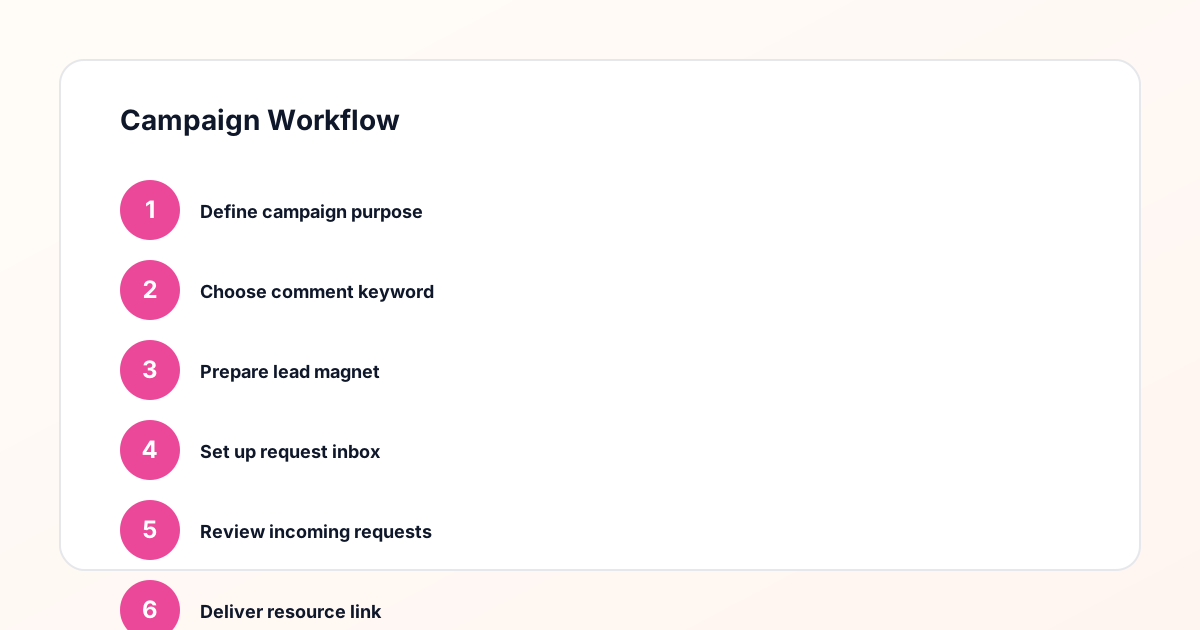
Campaign Checklist
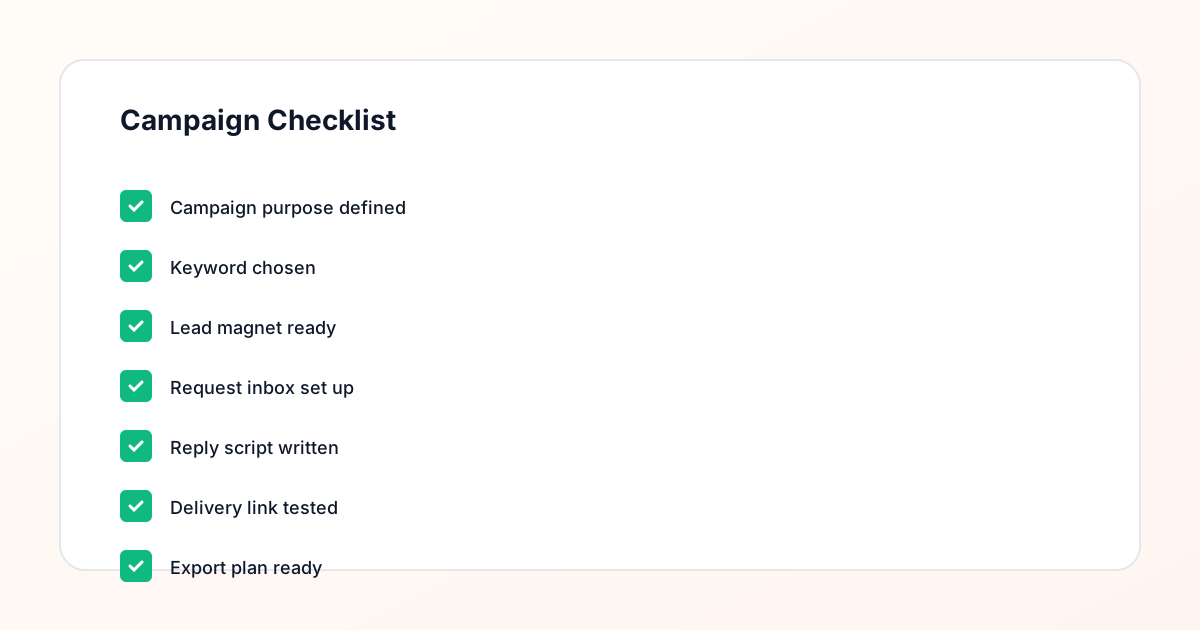
Step one: gather historical campaign data
Export campaign records from GramTrigger to provide the AI with historical data. The exports include campaign names, keywords, destination links, scripts, statuses, and lead counts. This data gives the AI context about what has worked in past campaigns.
Step two: AI-assisted keyword research
An AI agent can analyze the historical data to identify which keywords have performed best. The AI suggests keywords for the new campaign based on past performance patterns. The human reviews the suggestions and makes the final keyword choice.
Step three: AI-assisted script drafting
With the keyword and offer defined, an AI agent can draft response drafts based on the campaign context. The AI produces variants that the human reviews, edits, and approves before saving to the campaign record in GramTrigger.
Step four: AI-assisted offer optimization
An AI agent can analyze which offer types have generated the most requests in past campaigns. The AI suggests offer optimizations for the new campaign. The human reviews and decides.
Step five: human review and approval
All AI outputs are reviewed by humans before being used. The human approves the keyword, finalizes the script, and confirms the offer before launching the campaign. AI supports planning; humans make decisions.
How GramTrigger helps
GramTrigger provides the historical campaign data that AI agents analyze. Each record contains structured information that AI can work with. Humans review AI outputs before using them. Results depend on content quality, audience, offer, follow-up execution, and platform rules.
Compliance Note
GramTrigger helps organize Campaign Blueprints, Reply Library drafts, Request Inbox stages, approvals, delivery status, Lead Exports, and reports. Delivery should be handled manually or through approved tools depending on your account and available platform support.