Creators
Instagram Lead Magnet Strategy for Creators
10 min read
Lead magnets remain one of the most effective ways for creators to convert Instagram followers into a permission-based email list. But the gap between posting a free resource and actually delivering it to every commenter is where most creators lose momentum. This guide walks through the full workflow — from planning your free resource and choosing comment keywords to managing requests, delivering your lead magnet, and nurturing the list you build over time.

GramTrigger methodology
Original operating system for Instagram Lead Magnet Strategy for Creators
The GramTrigger method treats every comment campaign as an approval workflow, not an automation shortcut. The goal is to prepare the offer, lead magnet, keyword strategy, Reply Library draft, Request Inbox stages, handoff owner, and Lead Export fields before comments turn into operational work.
Campaign Blueprint SOP
Confirm the offer, lead magnet, keyword strategy, comment CTA, reply draft, owner, approval status, and Lead Export fields before launch.
Comment Funnel Workflow
Use the same path everywhere: Offer → Lead Magnet → AI Funnel Builder → Keyword Strategy → Comment CTA → Reply Draft → Review & Approval → Campaign Launch → Request Inbox → Lead Tracking → Export.
Approval Queue Workflow
Review caption CTA, pinned comment, reply draft, lead magnet link, compliance notes, and client approval before a campaign goes live.
Export Readiness Checklist
Export only after records have clear status, no sensitive private data, an owner, follow-up stage, and a documented next action.
Campaign Recovery Workflow
If requests are missed, pause new promotion, review pending records, update Reply Library drafts, communicate manually where appropriate, and document the process fix.
Decision framework
Use this matrix before choosing the next step.
Manual review reminder
Draft response — review before sending. Use approved tools and follow platform rules. GramTrigger helps plan and manage lead magnet workflows; it does not scrape users or auto-send unauthorized DMs.
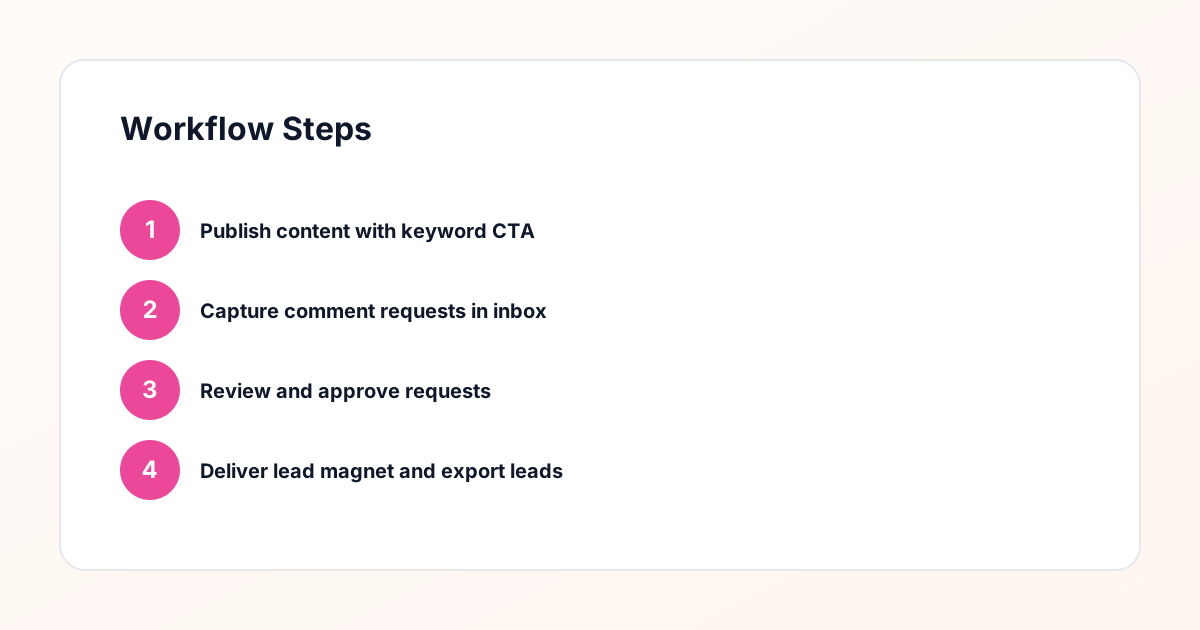
Workflow Overview
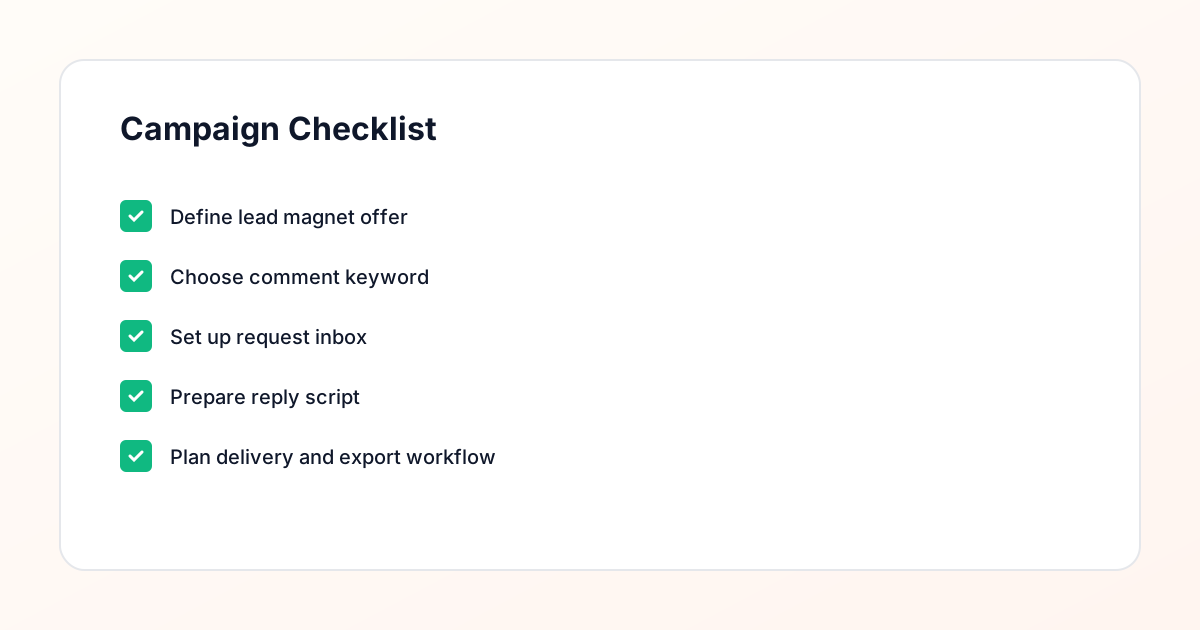
Campaign Checklist
Why Creators Need a Lead Magnet Strategy on Instagram
Instagram is a rented platform. Algorithm changes can reduce your reach overnight, and followers you spent years building may never see your content. A lead magnet strategy solves this by moving engaged followers onto an email list you own and control. When you offer a valuable free resource — a guide, template, checklist, or mini-course — in exchange for an email address, you create a direct channel that no algorithm can throttle. The comment keyword workflow makes this practical on Instagram specifically. Instead of burying a link in your bio and hoping people find it, you invite followers to comment a keyword on your post. That keyword triggers a structured process: the request lands in your request inbox, you review it, and you deliver the resource with a personal reply. This approach keeps your account compliant with platform guidelines while building a genuine connection with every person who opts in. Creators who adopt this system consistently report higher-quality email subscribers because these people self-selected by engaging with your content first.
Choosing the Right Free Resource for Your Audience
The success of your lead magnet strategy starts with choosing a resource your audience actually wants. This sounds obvious, but many creators skip the research phase and create something they think should be valuable rather than what their audience has explicitly asked for. Start by reviewing your DMs, comments, and story questions. What do followers repeatedly ask about? What problems come up in conversations? Those patterns point directly to your best lead magnet options. Common formats that work well for creators include PDF guides, template packs, cheat sheets, resource lists, email mini-courses, and printable worksheets. The format should match the complexity of the topic. A simple topic like "10 caption formulas" works well as a one-page checklist. A deeper topic like "build your brand voice" needs a multi-page guide. Your free resource should solve a specific problem, deliver a quick win, and naturally lead to your paid offering. If your paid product is a photography preset pack, your lead magnet might be a "Lightroom Editing Cheat Sheet." If you sell coaching, your lead magnet might be a "Content Planning Template." The connection between free and paid should feel like a natural next step, not a hard pivot.
Planning Your Comment Keyword Campaign
Once your free resource is ready, you need to design the comment keyword campaign that will drive requests. The keyword itself should be simple, memorable, and relevant. Single words work best — "GUIDE," "TEMPLATE," "SEND," or "READY." Avoid phrases or multi-word keywords because they are harder to type correctly and increase the chance of misspellings. Your campaign setup involves deciding which posts will promote the lead magnet, what caption copy will drive comments, and how you will manage the incoming requests. Some creators dedicate a single high-performing post to the campaign. Others mention the keyword across multiple posts, stories, and reels over a campaign period. The key is consistency. Every piece of content that mentions the lead magnet should use the same keyword and the same call-to-action. When you set up your campaign in a comment keyword campaign manager, you define the keyword, the automated reply that acknowledges the comment, and the workflow that routes each request to your request inbox for review and delivery. This structure means you never lose track of who asked and who has already received the resource.
Setting Up Your Request Inbox
The request inbox is the operational center of your lead magnet workflow. Every time someone comments your keyword, their request appears here — along with their username, the post they commented on, and a timestamp. This centralized view replaces the chaos of manually scanning hundreds of comments and trying to remember who you have already messaged. A well-organized request inbox lets you filter by post, sort by date, and track delivery status for each person. You can see at a glance which requests are pending, which have been replied to, and which need follow-up. For creators managing this alongside other content work, the inbox becomes a daily checkpoint. Spend ten minutes each morning reviewing new requests, sending replies with your resource link, and marking items as complete. The manual review step is important here. It lets you personalize each message, add a brief note, and ensure you are only sending to people who genuinely opted in. This compliance-aware approach protects your account reputation and keeps your deliverability strong. You are not blasting messages to everyone who has ever interacted with your account — you are responding to specific, intentional requests.
Crafting Replies That Deliver Value and Build Connection
When someone comments your keyword, the reply they receive shapes their entire impression of your brand. A generic "here is your link" message works but misses an opportunity. The most effective replies combine the resource delivery with a personal touch that reinforces why they made the right decision. Start with their name or username. Acknowledge what they commented on. Deliver the link clearly. Then add one sentence that sets expectations for what they will find inside and why it matters. For example: "Hey Sarah! Here is your Content Planning Template — it includes the exact weekly layout I use to plan 30 days of posts in under two hours. Check your email for the download link, and let me know which section you find most useful!" This style of reply review and response feels human, builds trust, and encourages the person to actually open and use the resource. It also signals to Instagram that your conversations are genuine interactions, not automated spam. Keep a library of reply templates in your campaign management tool so you can personalize quickly without starting from scratch each time.
Delivering the Lead Magnet Through a Structured Workflow
The delivery step is where many creators create unnecessary friction. The most reliable approach uses a lead magnet delivery workflow that connects the comment request to a landing page or email sequence. When someone comments your keyword and you reply, the message includes a link to a landing page where they enter their email address. That email address is added to your list, and your email platform sends the resource automatically. This two-step process — comment, then opt in on the landing page — gives you explicit consent for email marketing, which matters for compliance with regulations like GDPR and CAN-SPAM. Your delivery workflow should include a confirmation email with the resource attached or linked, a follow-up email sent two to three days later asking if they had a chance to review it, and an introduction to your regular email content so they know what to expect from your list. Structuring the delivery this way transforms a one-time download into the beginning of an ongoing relationship. The comment keyword campaign manager tracks who completed each step, so you can see your full funnel from comment to email subscriber to engaged list member.
Growing Your Email List Consistently
A single campaign post might generate a burst of email subscribers, but consistent list growth requires an ongoing strategy. The most effective approach integrates your lead magnet into your regular content cycle rather than treating it as a one-time promotion. Mention the keyword in relevant posts naturally. Reference the free resource in stories when the topic comes up. Pin a comment on your most popular posts reminding people they can comment the keyword to get the resource. You can also rotate lead magnets seasonally or create multiple resources for different audience segments. A fitness creator might offer a "Meal Prep Checklist" in January, a "Summer Workout Guide" in June, and a "Recovery Routine PDF" in October. Each campaign attracts both new followers and existing followers who have not yet opted in. Track which posts drive the most keyword comments and double down on those content formats. Your request inbox data tells you exactly which campaigns perform best, giving you clear direction for future content planning. The goal is to make lead magnet promotion a natural part of your content rhythm rather than a separate marketing effort.
Segmenting Your List Based on Campaign Activity
Not every subscriber on your email list has the same interests or needs, and treating them identically wastes the advantage of having multiple lead magnets. When someone comments a specific keyword to receive a specific resource, that action tells you something valuable about their interests. A creator who offers both a "Reels Script Template" and a "Brand Voice Guide" can segment subscribers based on which resource they requested. People who asked for the Reels template are interested in video content creation. People who asked for the Brand Voice Guide are interested in messaging and positioning. This segmentation data comes directly from your comment keyword campaign records. You can tag subscribers in your email platform based on which campaign they came from, then send targeted content and offers to each group. This approach produces significantly better open rates and click-through rates compared to sending identical broadcasts to your entire list. It also helps you understand which topics resonate most with your audience, informing your future content and product decisions. The campaign management system becomes both a delivery tool and an audience intelligence tool.
Tracking What Works and Refining Your Approach
The advantage of using a structured comment keyword workflow is that every step produces data you can review and act on. Track the number of comments each post receives with your keyword, the number of requests that reach your inbox, the reply rate, the landing page conversion rate, and the email open rate for your delivery sequence. These metrics reveal exactly where your funnel is strong and where it leaks. If a post gets hundreds of keyword comments but your inbox shows fewer requests, the issue might be with how the campaign is configured. If requests pile up but landing page conversions are low, your landing page copy or design might need improvement. If emails are delivered but not opened, test different subject lines. Review this data monthly and make one or two targeted improvements rather than overhauling everything at once. Small, consistent refinements compound over time. The creators who see the best results from their lead magnet strategy are the ones who treat it as an ongoing system to optimize rather than a set-and-forget campaign.
Keeping Your Approach Compliance-Aware
As platform guidelines evolve and privacy regulations tighten, maintaining a compliance-aware approach to your lead magnet strategy protects both your account and your audience trust. This means only messaging people who have explicitly opted in by commenting your keyword, never purchasing or scraping contact lists, being transparent about what subscribers will receive, and including clear unsubscribe options in every email. A manual approval process for each request — rather than auto-DM everyone who interacts with your account — keeps your messaging consensual and reduces the risk of being flagged. It also produces better results because every person on your list chose to be there. GramTrigger supports this approach by providing a structured request inbox where you review each request before sending a reply, maintaining a clear record of who opted in and when. This is a safer alternative to spammy automation tools that promise mass messaging without the review step. Building your email list through genuine engagement and transparent opt-in processes creates a sustainable asset that grows more valuable over time.
Compliance Note
GramTrigger helps organize Campaign Blueprints, Reply Library drafts, Request Inbox stages, approvals, delivery status, Lead Exports, and reports. Delivery should be handled manually or through approved tools depending on your account and available platform support.