
Lead Conversion
Instagram Engagement to Leads: Turn Comments Into Follow-Up Opportunities
9 min read
Engagement on Instagram is valuable, but it only matters if it leads to real business opportunities. Turning comments into leads requires a structured workflow that captures interest, tracks requests, and follows up professionally. This guide shows you how to convert engagement into actionable leads using comment keyword campaigns and organized follow-up.
Start here

GramTrigger methodology
Original operating system for Instagram Engagement to Leads: Turn Comments Into Follow-Up Opportunities
The GramTrigger method treats every comment campaign as an approval workflow, not an automation shortcut. The goal is to prepare the offer, lead magnet, keyword strategy, Reply Library draft, Request Inbox stages, handoff owner, and Lead Export fields before comments turn into operational work.
Campaign Blueprint SOP
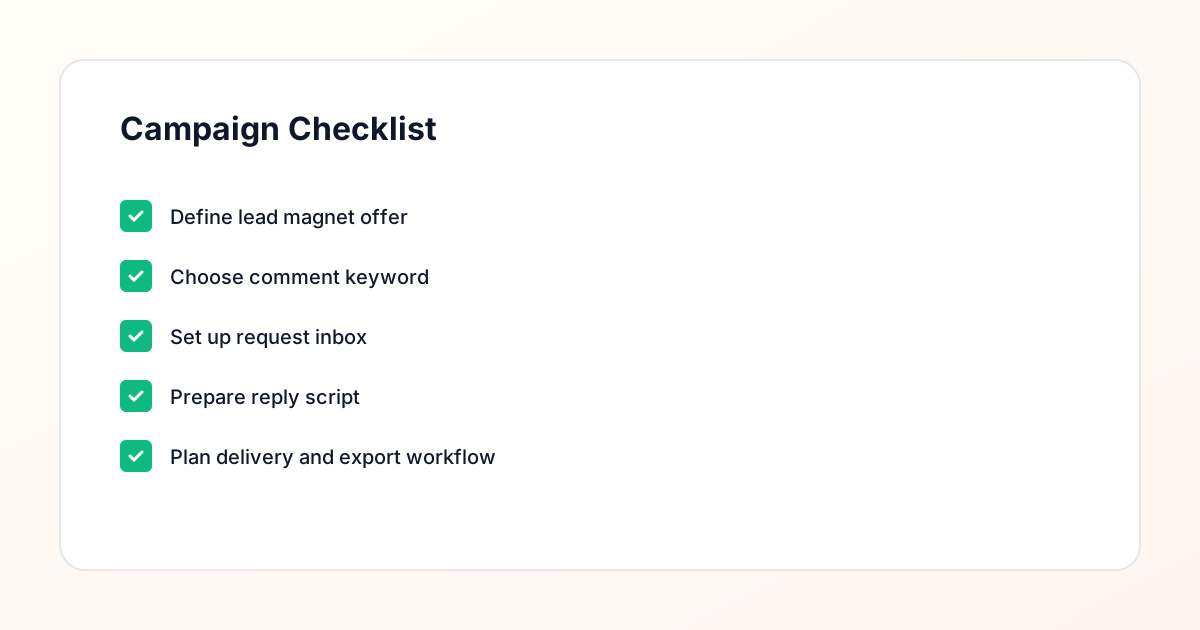
Confirm the offer, lead magnet, keyword strategy, comment CTA, reply draft, owner, approval status, and Lead Export fields before launch.
Comment Funnel Workflow
Use the same path everywhere: Offer → Lead Magnet → AI Funnel Builder → Keyword Strategy → Comment CTA → Reply Draft → Review & Approval → Campaign Launch → Request Inbox → Lead Tracking → Export.
Approval Queue Workflow
Review caption CTA, pinned comment, reply draft, lead magnet link, compliance notes, and client approval before a campaign goes live.
Export Readiness Checklist
Export only after records have clear status, no sensitive private data, an owner, follow-up stage, and a documented next action.
Campaign Recovery Workflow
If requests are missed, pause new promotion, review pending records, update Reply Library drafts, communicate manually where appropriate, and document the process fix.
Decision framework
Use this matrix before choosing the next step.
Manual review reminder
Draft response — review before sending. Use approved tools and follow platform rules. GramTrigger helps plan and manage lead magnet workflows; it does not scrape users or auto-send unauthorized DMs.
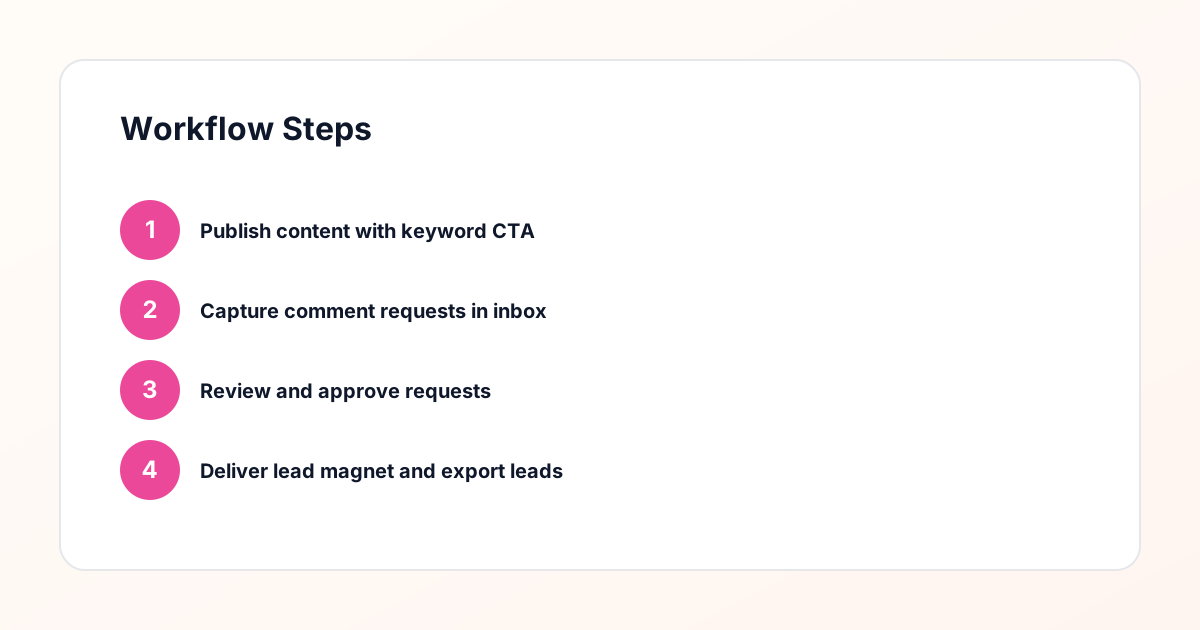
Workflow Overview
Campaign Checklist
Why Engagement Alone Is Not Enough
Likes, comments, and shares are vanity metrics unless they lead to something. A post with 500 likes but zero leads is less valuable than a post with 50 likes and 10 qualified leads. The goal of your Instagram content should not just be engagement, but conversion. Comment keyword campaigns bridge the gap between engagement and leads by giving people a clear next step. Instead of just liking your post, they comment a keyword to request more information. This transforms passive engagement into active interest. The comment becomes a lead that you can track, review, and follow up on. Without this mechanism, engagement stays in the comments section and never moves into your sales pipeline. The comment keyword workflow gives you a way to capture interest and move it forward.
Identifying Engaged Commenters
Not all commenters are equal. Some leave generic comments like "nice post" or an emoji. Others leave thoughtful comments that show they actually read your content. These engaged commenters are your hottest leads. They have taken the time to engage meaningfully with your content, which signals genuine interest. Your request inbox helps you identify these engaged commenters by showing you their comment history. You can see who has commented multiple times, who leaves thoughtful comments, and who has engaged with different posts. These are the people you should prioritize during your review process. When you send them a message, reference their specific comments to show you noticed their engagement. For example: "Hey [name], I saw your comment about struggling with email open rates. That is a common challenge. Here is the guide I mentioned." This personalization shows you are paying attention and builds trust.
Capturing Requests Through Keywords
The comment keyword workflow starts with your post. You create content that provides value and includes a clear call to action with a specific keyword. When someone comments the keyword, they are signaling interest and requesting more information. This comment is captured in your request inbox, which organizes all requests by post, keyword, and timestamp. The request inbox transforms a chaotic comment section into an organized list of leads. Each request shows the commenter's username, the post they commented on, the keyword they used, and when they commented. This information is essential for personalized follow-up. You can see at a glance which posts are generating the most leads. You can identify repeat commenters who might be hot leads. And you can prioritize requests based on timing or other criteria.
Reviewing Requests for Quality
Not every comment is a qualified lead. Some people comment out of curiosity. Others might be competitors or bots. The review step lets you evaluate each request before you invest time in follow-up. During review, you check the commenter's profile to assess fit. Are they in your target audience? Do they have a genuine profile? Have they engaged with your content before? This manual approval process ensures you are focusing your energy on qualified leads. It also protects you from wasting time on unqualified leads or accounts that might report you for spam. The review step is what makes your workflow compliance-aware and professional. It takes an extra 30 seconds per request, but it saves you hours of follow-up with people who are not a good fit.
Delivering Resources That Convert
Once you have reviewed and approved a request, it is time to deliver your resource. This is where your lead magnet delivery workflow comes into play. You send a direct message that includes your resource link along with a personalized note. The personalization is critical. Reference something specific from their profile or previous engagement. For example: "Hey [name], thanks for requesting the email marketing guide! Here is the link: [link]. I noticed you mentioned struggling with open rates. Page 7 has a checklist that should help." This personalization shows you actually reviewed their profile and are not just blasting links to everyone. Your resource should be immediately accessible and clearly valuable. Do not make people jump through hoops to access it. The easier you make it, the more likely they are to engage with it.
Building a Lead List From Requests
Every comment keyword request is a lead that belongs in your lead list. Your request inbox collects all of these leads in one place, organized by post, keyword, and timestamp. Export this data regularly to build your lead list in a spreadsheet or CRM. Track information like the commenter's username, the post they commented on, the keyword they used, when they commented, and whether you sent them a message. This lead list becomes the foundation of your follow-up workflow. You can segment leads by interest (based on the keyword they used), by recency (based on when they commented), or by engagement level (based on their comment history). A well-organized lead list allows you to prioritize follow-up and track conversion over time.
Following Up to Move Leads Forward
Sending your resource is not the end of the workflow. Many leads will not engage with your resource or take the next step immediately. They get busy, distracted, or unsure. A follow-up sequence ensures your lead does not go cold. Wait 3-5 days after sending your resource, then send a gentle follow-up message. For example: "Hey [name], just checking if you had a chance to check out the guide. Happy to answer any questions." Keep follow-ups brief and helpful. Do not be pushy or salesy. One or two follow-ups is usually enough. If they still do not engage, respect their decision and move on. You can also use follow-ups to provide additional value. Share a related post or ask a question that encourages engagement. The goal is to stay top of mind without being annoying.
Tracking Conversion From Request to Lead
Tracking goes beyond just collecting requests. You need to know how many requests convert to actual leads who engage with your resource or book a call. This data helps you understand the effectiveness of your workflow and identify areas for improvement. Track metrics like request-to-download rate (how many people who request your lead magnet actually download it), request-to-booking rate (how many people who request a consultation actually book), and request-to-customer rate (how many requests eventually become customers). Export your request data and analyze it regularly. Look for patterns in which posts generate the highest-quality leads, which keywords attract the most qualified requests, and what follow-up messaging is most effective. Use this information to optimize your content strategy, keyword selection, and follow-up approach.
Segmenting Leads by Interest
Different keywords signal different interests. Someone who comments "EMAIL" is interested in email marketing. Someone who comments "CONSULT" is interested in a consultation. Use these keywords to segment your leads by interest and deliver the most relevant follow-up. If someone requested an email marketing guide, do not follow up with content about social media marketing. Stay on topic and provide additional value related to their expressed interest. You can also use segmentation to prioritize follow-up. Leads who requested a consultation are likely further along in the buying journey than leads who requested a free guide. Prioritize follow-up with high-intent leads while continuing to nurture low-intent leads with valuable content. Segmentation makes your follow-up more relevant and effective.
Nurturing Leads Over Time
Not every lead will convert immediately. Some people need more time, more information, or more trust before they are ready to buy. A nurturing workflow keeps these leads warm until they are ready. After your initial follow-up, continue providing value through your Instagram content. Engage with their comments, respond to their stories, and build the relationship over time. You can also create a long-term follow-up sequence that checks in every few weeks with additional value. Share a relevant post, ask a question, or offer a new resource. The key is to stay top of mind without being pushy. Nurturing is a long game. The lead who requests a guide today might not be ready to buy for six months. But if you stay in touch and provide value, they will think of you when they are ready.
Compliance Note
GramTrigger helps organize Campaign Blueprints, Reply Library drafts, Request Inbox stages, approvals, delivery status, Lead Exports, and reports. Delivery should be handled manually or through approved tools depending on your account and available platform support.