Mistakes
Comment Keyword Campaign Mistakes to Avoid
10 min read
Comment keyword campaigns can be a powerful way to capture leads from Instagram, but only if you avoid the common pitfalls that undermine results. From choosing the wrong keyword to skipping the review step, these mistakes can turn a promising campaign into a waste of time. This guide identifies the most frequent errors and shows you how to fix them so your campaigns deliver real value.

GramTrigger methodology
Original operating system for Comment Keyword Campaign Mistakes to Avoid
The GramTrigger method treats every comment campaign as an approval workflow, not an automation shortcut. The goal is to prepare the offer, lead magnet, keyword strategy, Reply Library draft, Request Inbox stages, handoff owner, and Lead Export fields before comments turn into operational work.
Campaign Blueprint SOP
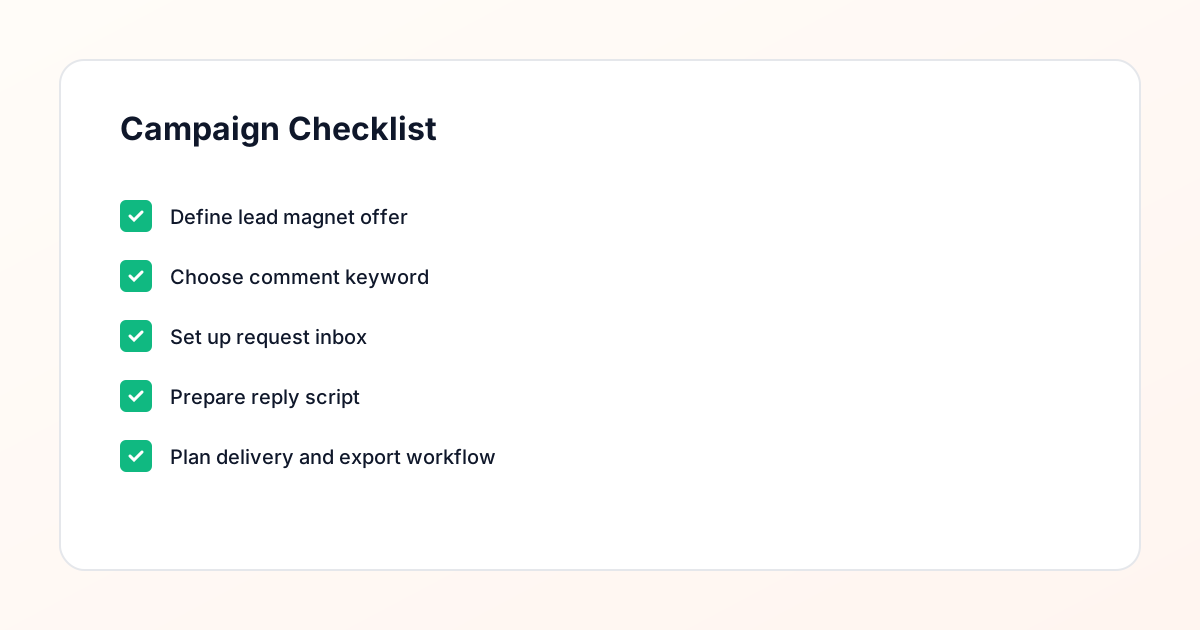
Confirm the offer, lead magnet, keyword strategy, comment CTA, reply draft, owner, approval status, and Lead Export fields before launch.
Comment Funnel Workflow
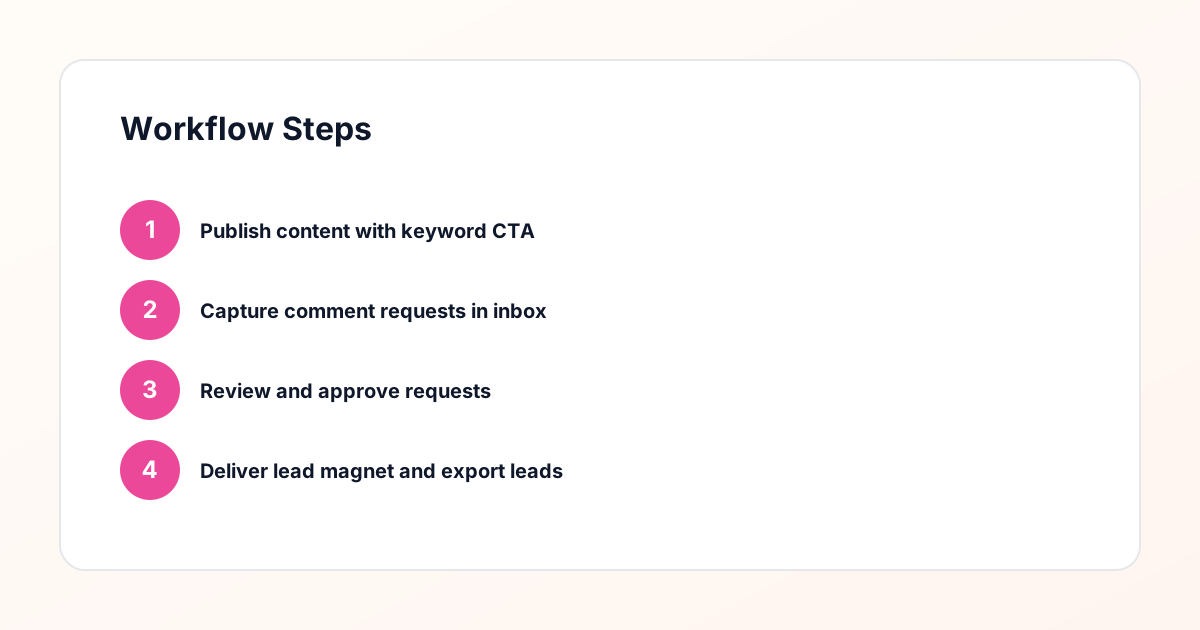
Use the same path everywhere: Offer → Lead Magnet → AI Funnel Builder → Keyword Strategy → Comment CTA → Reply Draft → Review & Approval → Campaign Launch → Request Inbox → Lead Tracking → Export.
Approval Queue Workflow
Review caption CTA, pinned comment, reply draft, lead magnet link, compliance notes, and client approval before a campaign goes live.
Export Readiness Checklist
Export only after records have clear status, no sensitive private data, an owner, follow-up stage, and a documented next action.
Campaign Recovery Workflow
If requests are missed, pause new promotion, review pending records, update Reply Library drafts, communicate manually where appropriate, and document the process fix.
Decision framework
Use this matrix before choosing the next step.
Manual review reminder
Draft response — review before sending. Use approved tools and follow platform rules. GramTrigger helps plan and manage lead magnet workflows; it does not scrape users or auto-send unauthorized DMs.
Workflow Overview
Campaign Checklist
Mistake 1: Using Generic Keywords
One of the most common mistakes is using generic keywords like "INFO", "MORE", or "YES". These words are so common that they do not signal clear intent. When someone comments "YES", are they saying yes to your offer, yes they agree with your point, or yes they want more information? This ambiguity makes your review process harder and your follow-up less effective. Instead, use specific keywords that directly relate to your offer. If you are offering a lead magnet about email marketing, use "EMAIL" instead of "INFO". If you are offering a consultation, use "CONSULT" instead of "CALL". Specific keywords make it obvious what the person is requesting. This clarity improves your review process and allows you to deliver the right resource to the right person. Test your keyword by asking yourself: "If I saw this comment without context, would I know what they are requesting?"
Mistake 2: Skipping the Review Step
Some people set up their comment keyword workflow and immediately send direct messages to everyone who comments. This is a critical error. Not every commenter is a qualified lead. Some might be bots, competitors, or people who are not in your target audience. Sending your lead magnet or booking link to everyone wastes time and can damage your reputation. The review step is what makes your workflow compliance-aware and professional. During review, you check the commenter's profile to assess fit. Are they a real person? Are they in your target market? Have they engaged with your content before? This manual approval process ensures you are sending resources to people who are likely to be interested. It also protects you from sending messages to accounts that might report you for spam. Take the extra 30 seconds to review each request. It will save you hours of follow-up with unqualified leads.
Mistake 3: Not Tracking Request Sources
If you do not track which posts generate the most requests, you are flying blind. You might spend hours creating content that generates zero requests while ignoring the formats and topics that work. Your request inbox should show the source post for each request. This allows you to analyze which content drives the most engagement and requests. Export this data regularly to identify patterns. Are carousel posts generating more requests than single images? Are posts about certain topics performing better? Use this information to create more of what works. If you are running multiple campaigns with different keywords, tracking becomes even more critical. You need to know which keywords and offers resonate most with your audience. Without tracking, you cannot optimize your campaigns or justify the time you are investing.
Mistake 4: Sending Generic Follow-Up Messages
After someone comments your keyword, the message you send matters. A generic message like "Here is your link" feels impersonal and automated, even if it is not. This reduces the likelihood that the person will engage with your resource or book a call. Instead, personalize your message based on what you learned during the review step. Reference something specific from their profile or previous engagement. For example: "Hey Sarah, I saw your comment about struggling with email open rates. Here is the lead magnet I mentioned. Page 7 has a checklist that might help." This personalization shows you actually read their profile and are not just blasting links to everyone. It also increases the perceived value of your resource. People are more likely to download a lead magnet when they feel it was specifically chosen for them.
Mistake 5: Ignoring Request Timing
When someone comments your keyword, they are interested right now. If you wait three days to send your lead magnet, that interest has likely faded. Timing matters in your lead magnet delivery workflow. Aim to send your message within 24 hours of the comment, ideally within a few hours. This does not mean you need to be glued to your phone. Use your request inbox to batch responses at specific times during the day. For example, check requests at 9am, 1pm, and 6pm. This gives you three response windows while keeping your workflow manageable. If you cannot respond within 24 hours, set expectations in your post caption. For example, "I send resources daily at 5pm, so you will receive yours tonight." This manages expectations and gives you a structured workflow. The key is consistency. Do not let requests pile up for days.
Mistake 6: Not Having a Clear Call to Action
Your post needs to clearly tell people what to do. A vague call to action like "Comment below if you want this" does not specify the keyword or explain what happens next. People need explicit instructions. Tell them exactly what to comment and what they will receive. For example: "Comment LEAD and I will send you my 10-page guide on LinkedIn lead generation." This tells them the keyword (LEAD), what they will receive (a 10-page guide), and the topic (LinkedIn lead generation). The more specific you are, the more likely people are to comment. Also, explain what happens after they comment. Do you send the resource immediately? Do they need to book a call first? Setting expectations reduces confusion and increases the likelihood of follow-through. End your caption with the call to action so it is the last thing people read.
Mistake 7: Failing to Follow Up
Sending your lead magnet or booking link is not the end of the workflow. Many people will not engage with your resource or book a call immediately. They get busy, distracted, or unsure. A follow-up sequence ensures your request does not get lost in their inbox. Wait 3-5 days after your initial message, then send a gentle follow-up. For example: "Hey [name], just checking if you had a chance to check out the guide. Happy to answer any questions." Keep follow-ups brief and helpful. Do not be pushy or salesy. One or two follow-ups is usually enough. If they do not respond after that, respect their decision and move on. You can also use follow-ups to provide additional value. Share a related post or ask a question that encourages engagement. The goal is to stay top of mind without being annoying.
Mistake 8: Not Testing Different Offers
If your comment keyword campaign is not generating requests, the problem might be your offer, not your keyword or content. People comment when they see value. If your lead magnet or consultation does not solve a pressing problem, they will not bother. Test different offers to see what resonates. Try different lead magnet formats: checklists, templates, guides, video training. Try different consultation offers: free discovery calls, paid strategy sessions, group coaching. Track which offers generate the most requests and double down on those. You can also test different angles for the same offer. For example, if you are offering a guide on Instagram growth, test one angle focused on saving time and another focused on getting more clients. See which message resonates more. Continuous testing and refinement is what separates successful campaigns from unsuccessful ones.
Mistake 9: Overlooking Post Format
The format of your post affects how many people see it and engage with it. If you always use carousel posts, you might be missing opportunities with Reels or single images. Different formats perform differently for different audiences and topics. Test various formats to see what generates the most comment keyword requests. Reels tend to have higher reach but lower engagement depth. Carousels encourage saves and shares. Single images work well for quotes and simple messages. Video content builds more trust than static images. Pay attention to which formats generate the most requests, not just the most likes or comments. A post with 50 likes but 10 consultation requests is more valuable than a post with 200 likes but 2 requests. Use this data to inform your content strategy and focus on formats that drive real business results.
Mistake 10: Not Exporting Request Data
Your request inbox is a goldmine of data, but only if you use it. Many people collect requests but never export or analyze the data. This means they miss opportunities to understand their audience, refine their offers, and improve their campaigns. Export your request data regularly to a spreadsheet or CRM. Track metrics like requests per post, request rate (requests divided by reach), and conversion rate (requests that become customers). Look for patterns in timing, demographics, and behavior. Are requests coming in more on weekdays or weekends? Are certain types of accounts more likely to request? Use this information to optimize your posting schedule, content strategy, and follow-up approach. The data is there. You just need to extract and analyze it to unlock its value.
Compliance Note
GramTrigger helps organize Campaign Blueprints, Reply Library drafts, Request Inbox stages, approvals, delivery status, Lead Exports, and reports. Delivery should be handled manually or through approved tools depending on your account and available platform support.